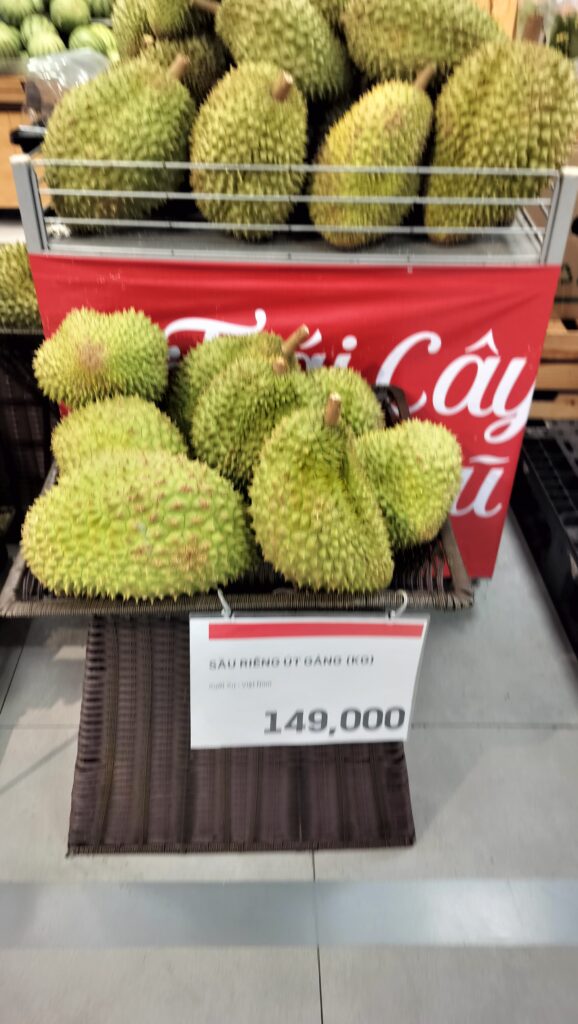
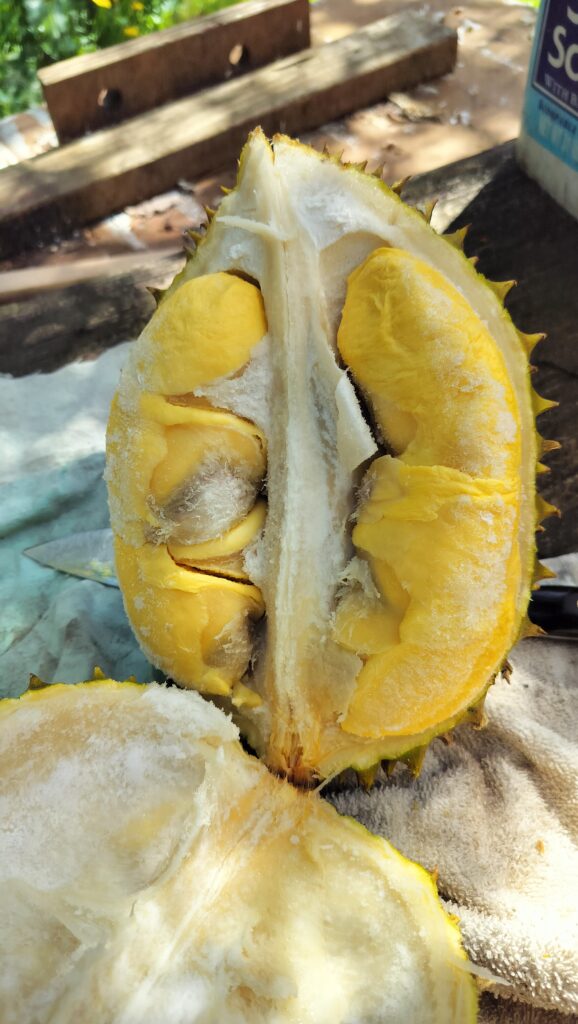
Durian is loved by many for its distinctive, rich, and aromatic flavor that is unlike any other fruit. To choose a delicious durian that isn’t tough or bland, pay attention to the following characteristics when buying it.
Durian is a fruit loved by many, but it also causes many people to “waste money” by buying unripe, tough, or under-fleshed fruit. Many fruits look quite similar on the outside, but the quality inside varies greatly. Therefore, when buying durian, don’t just choose based on feeling or size, but pay attention to a few important characteristics below.
1. Choose fruits with a well-proportioned shape.
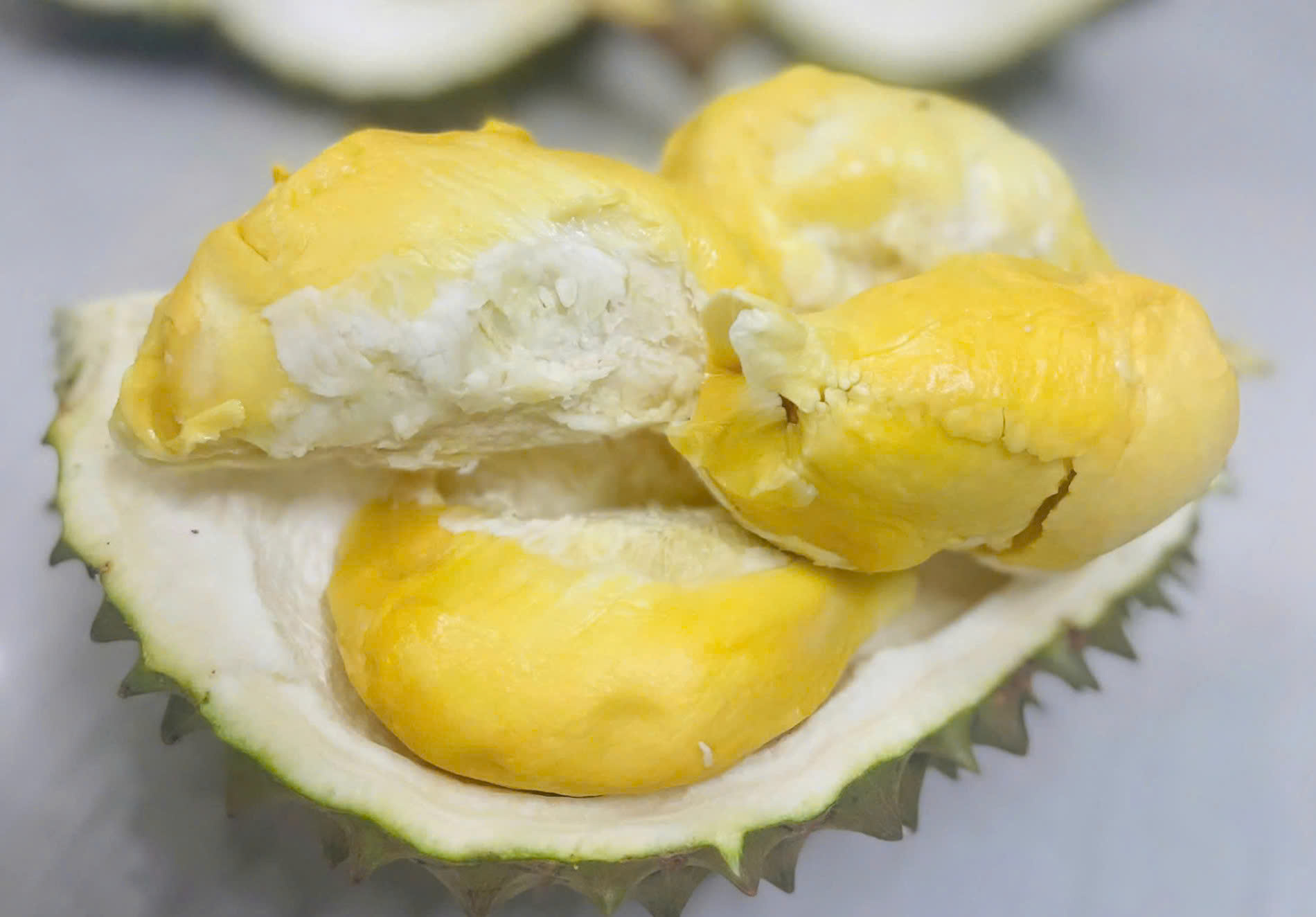
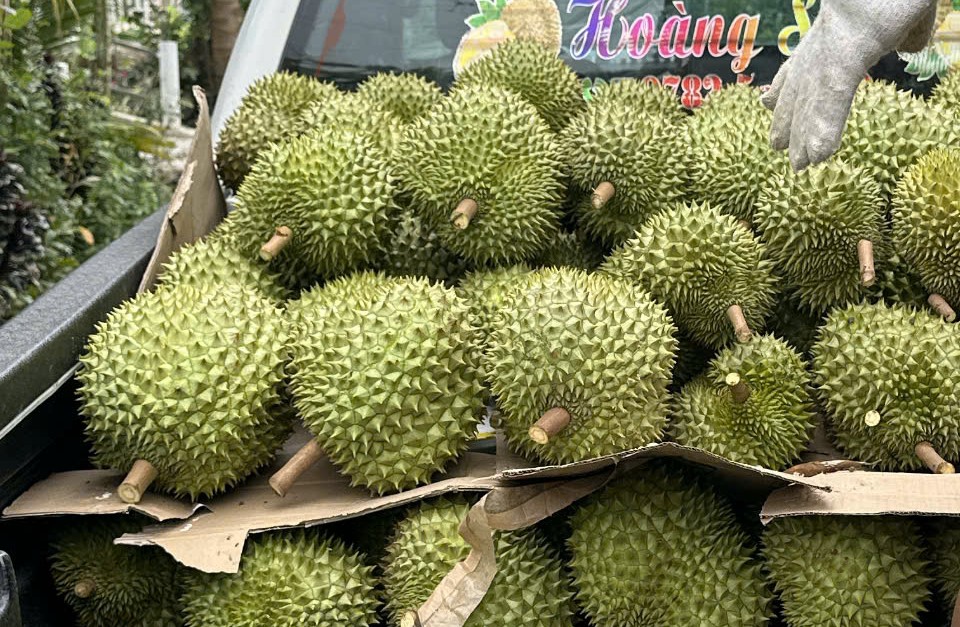
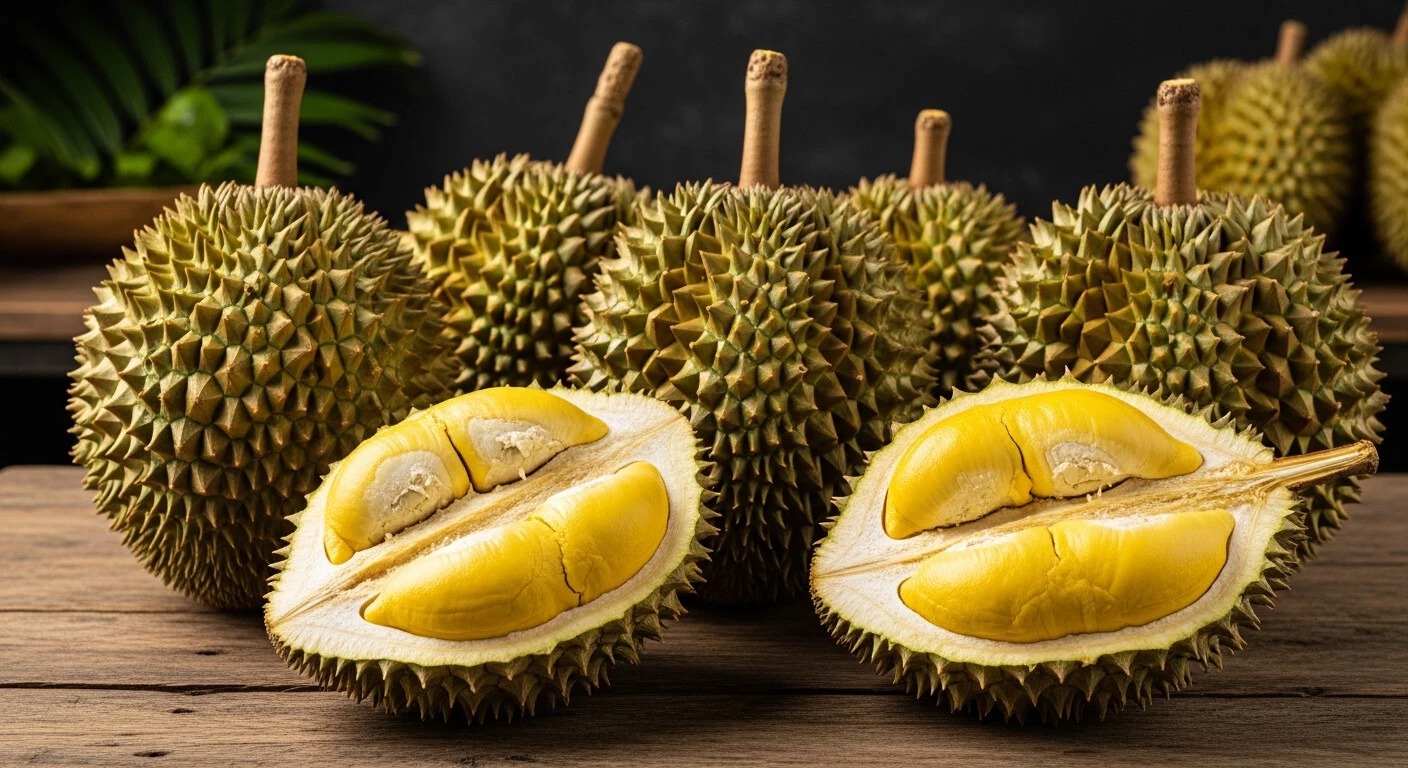
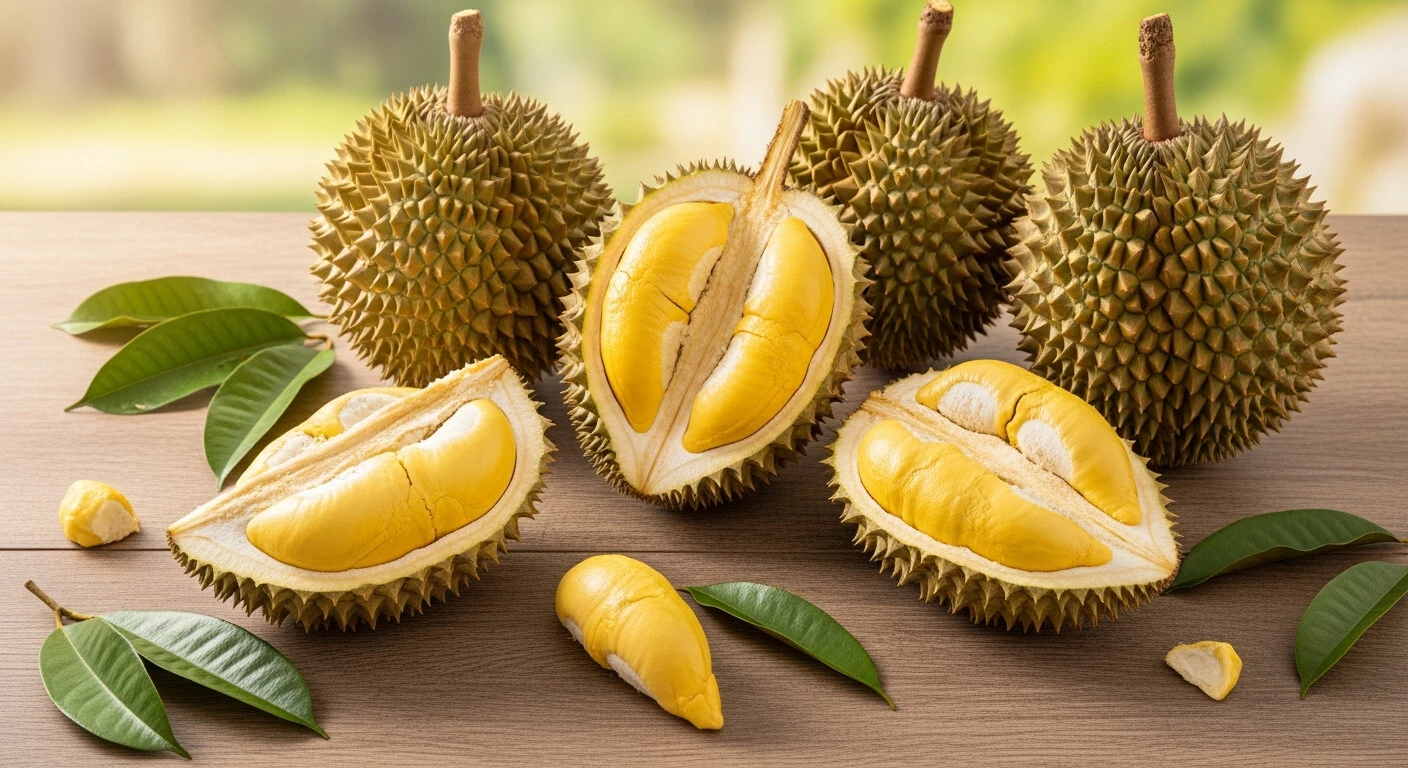
Many people think that the bigger the durian, the tastier it is, but that’s not necessarily true. The shape of the fruit is more important. Round or slightly oval durians usually have fuller segments and thicker flesh. If the fruit is misshapen, uneven in size, or has many unusual indentations, the segments inside are likely to be uneven, flat, or have less flesh. Additionally, pay attention to the grooves on the rind. Durians with clearly defined segments are usually easier to separate and have a higher proportion of good-looking segments.
2. Prioritize fruits with fresh stems.
The stem is a very important detail when choosing durian. A stem that is still slightly green, firm, and solid to the touch usually indicates that the fruit has been recently cut and is still fresh. Conversely, if the stem is dry, shriveled, soft, or has turned dark, the fruit may have been left for a long time. This type is more likely to have reduced flavor, mushy flesh, or fermentation inside. When you hold it, a fresh stem usually has a natural firmness, not a soft, mushy texture.
3. Smell to determine doneness.
Naturally ripened durians have a distinct but not overly strong aroma. The fragrance usually spreads gently around the stem or between the segments. If the fruit has almost no smell, it’s likely that it was harvested unripe, resulting in tough or bland flesh. Conversely, if the fruit has a very strong, pungent, or strongly fermented smell, it may be overripe. Many experienced people can often estimate the quality of the fruit just by smelling it.
4. Tap to listen for any sounds inside.
A fairly common trick is to gently tap the durian rind with your hand or a knife. A good durian usually makes a slightly muffled “pop pop” sound because the flesh inside has reached a certain level of ripeness. If the sound is too hard and clear, the fruit may still be unripe. If it sounds too hollow, the flesh inside may be too mushy. However, this method should be combined with other signs for a more accurate selection.
5. Don’t be tempted by overly large cracked fruits.
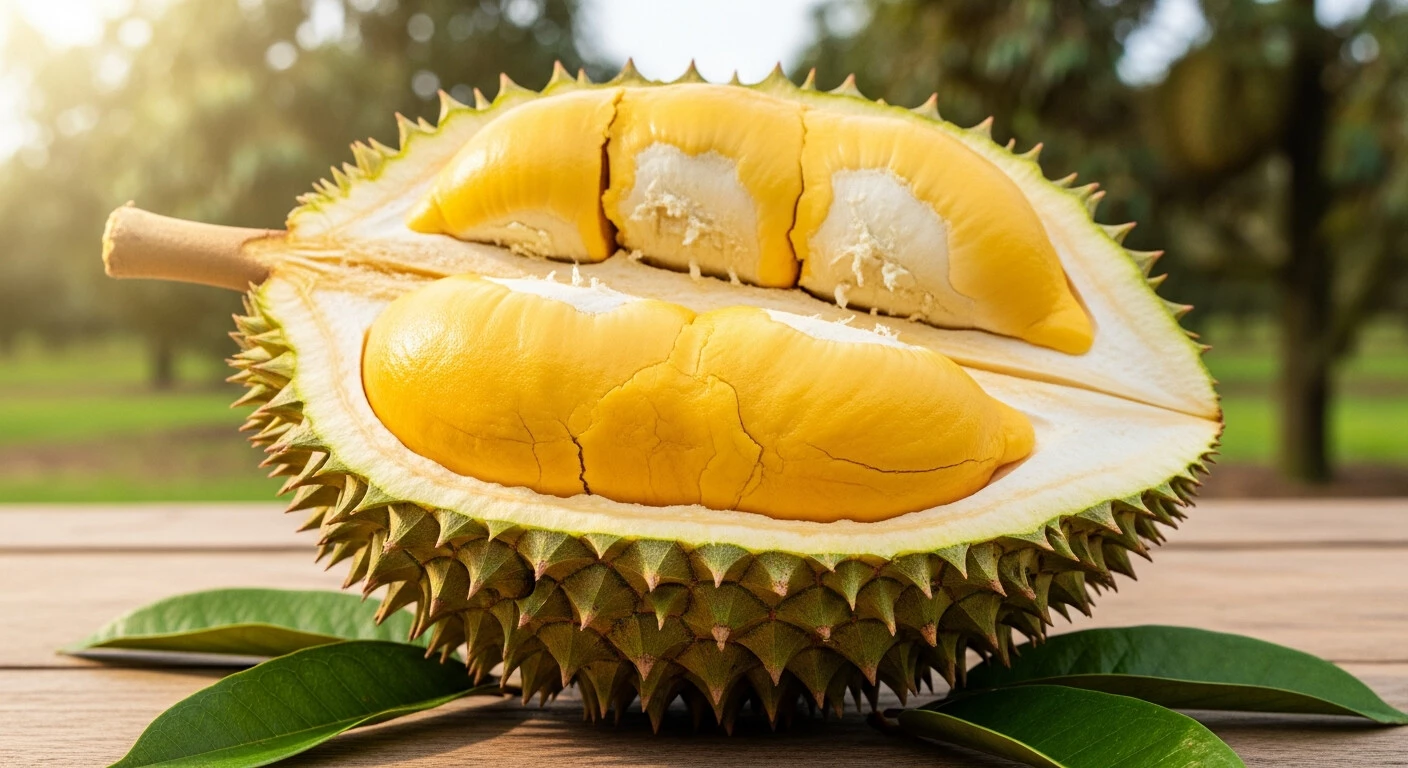
Many people prefer durians with cracks because they think it means they are ripe and delicious. In reality, durians with only slight cracks along the segments are usually more appealing. If the cracks are too large, the flesh is more likely to be exposed to air for longer periods, drying out quickly or being invaded by insects. Some durians with large cracks may even be overripe and mushy. Therefore, you should only choose durians with naturally slight cracks rather than those that are completely split open.
6. Avoid buying too much at once.
Durian ripens quite quickly, so if you buy too much and don’t store it properly, the flesh can easily become mushy or lose its flavor. It’s best to only buy enough to eat within 1-2 days. If you want to store it longer, you can separate the segments and store them in an airtight container in the freezer.
Which Type of Durian is the Best? An Introduction to the World of the Best Durians
Which durian variety is the best is a question that sparks endless debate among durian enthusiasts, as each variety has its own unique aroma, richness, and sweetness. This article, along with , explores the criteria for evaluating delicious durian and highlights the most popular durian varieties in Vietnam to help you choose the right variety to suit your taste.
I/ What Makes Durian Delicious?
To answer the question “which type of durian is the best,” you need to rely on quality assessment criteria agreed upon by connoisseurs, such as flavor, fat content, flesh texture, and seed ratio. Understanding these factors will help you choose the right durian that suits your taste and avoid buying low-quality fruit.
II/ Top 7 Best and Most Popular Types of Durian in Vietnam
After understanding the evaluation criteria, let’s explore in detail the 7 most highly rated durian varieties currently available in the Vietnamese market. Each variety has its own unique characteristics, catering to different tastes.
1/ Ri6 Durian
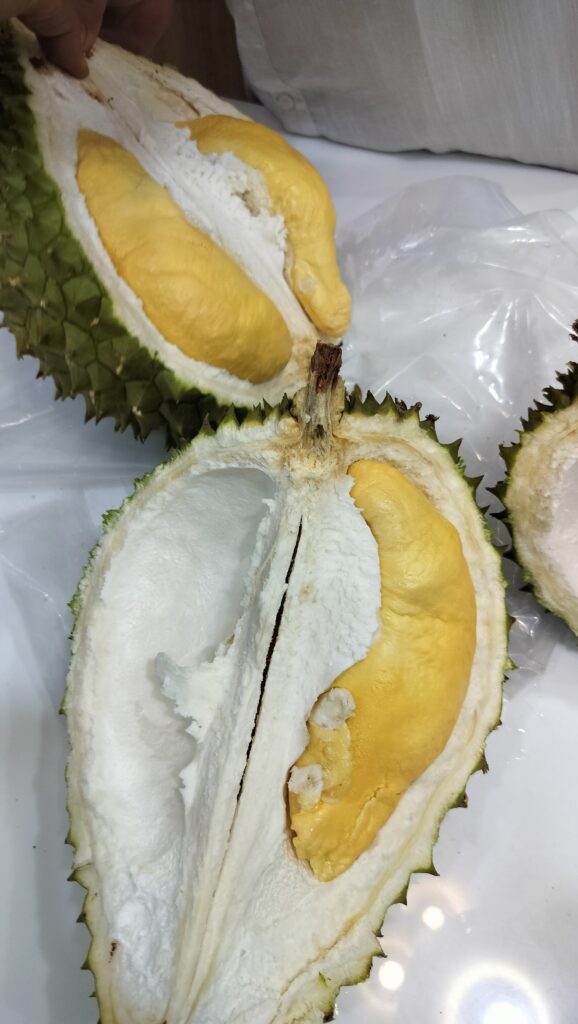
Ri6 is a name always mentioned when discussing the best durian in Vietnam, nổi with its consistent quality and easy-to-eat flavor. Originating from Vinh Long, Ri6 durian scores points with its deep yellow, thick, firm flesh, harmonious sweet and creamy taste, and moderate, non-pungent aroma.Ri6 durian is characterized by its many small seeds and high flesh-to-seed ratio, making it suitable for both first-time durian eaters and durian enthusiasts. Thanks to its balanced sweetness, richness, and aroma, Ri6 consistently ranks among the most popular durian varieties, often chosen for fresh consumption, as gifts, or for business purposes.
Monthong (Dona) is a popular Thai durian variety known for its subtly sweet taste, mild aroma, and ease of eating, making it particularly suitable for those new to durian. The fruit is large, with a greenish-yellow rind, sparse thorns, and a thick, dry, pale yellow flesh. Compared to Ri6, Monthong durian is less fatty and less pungent, but it is drier, has smaller seeds, and is not cloying. Thanks to its mild flavor and versatility, Monthong is often considered one of the most delicious and accessible durian varieties available today.
3/ Musang King Durian
Musang King is a top-tier durian variety from Malaysia, distinguished by its unique flavor and high value. Musang King fruits are typically small, with large, sparsely spaced spines, and a distinctive yellowish-brown star-shaped mark on the bottom – a key identifying feature.The key selling point of Musang King lies in its turmeric-yellow flesh, smooth like butter, small seeds, and rich, sweet, creamy flavor with a hint of bitterness. Its strong, distinct aroma makes Musang King a top choice for durian connoisseurs, especially in the premium imported durian segment.
Bitter Gourd Green durian is a specialty variety from the Southwestern region of Vietnam, distinguished by its elongated shape resembling a bitter gourd and its dark green rind with large, easily recognizable thorns. The flavor of Bitter Gourd Green durian is quite selective, with a mild sweetness, moderate richness, a slightly bitter aftertaste, and a delicate, not overly strong, aroma.The flesh of the Bitter Gourd durian is light yellow, smooth and firm, but the seeds are much larger than other varieties. Although not as popular as Ri6 or Monthong, Bitter Gourd durian is still highly valued by connoisseurs for its distinctive flavor of the Mekong Delta region, bearing the very unique mark of durian from the Western region.
5/ Durian from Chuong Bo
Chuong Bo durian is a lesser-known variety, but it has unique characteristics that appeal to those who appreciate a mild flavor. Chuong Bo fruits are typically small, round or oval in shape, with sparse spines and a green rind.The flavor of Chuong Bo leans towards a subtly sweet, mildly aromatic, and less fatty taste compared to Ri 6. The rice is light cream in color, soft, and has relatively large grains. Although not as outstanding as other varieties, Chuong Bo still has its own group of fans thanks to its gentle sweetness and not overly strong aroma.
6/ Red-Fleshed Durian
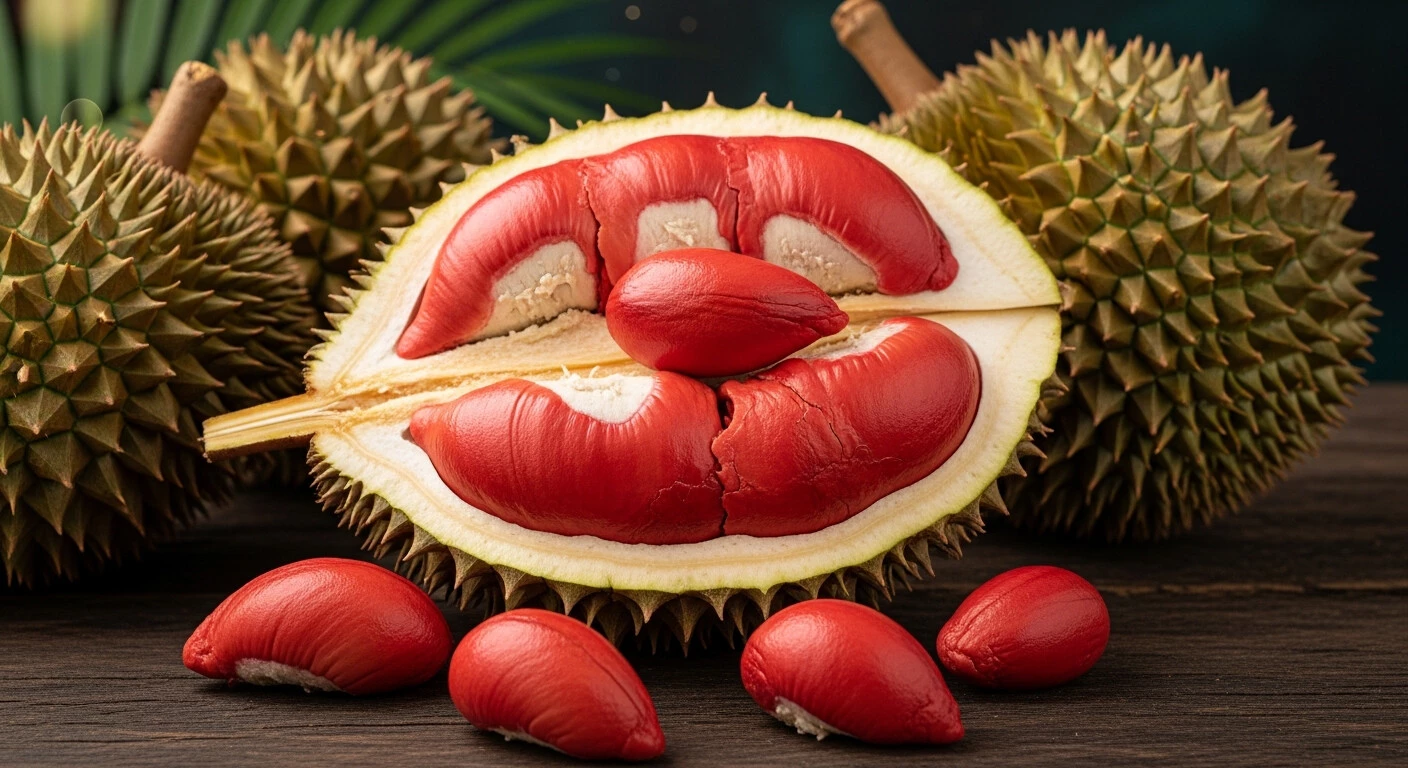
Red Flesh is the most unique durian variety on this list, attracting attention at first glance. Its most striking feature is the eye-catching orange-red or brick-red flesh, completely different from the traditional yellow color.In terms of flavor, Red Flesh durian has a mild sweetness, is less fatty than other varieties, and has a less pungent smell. The flesh is usually soft and slightly watery. This is an adventurous choice, suitable for those who want to try something new in the world of durian.
7. Six Huu Durian (Cai Mon)
Rounding out the list is Six Huu, also known as Cai Mon durian – a famous specialty from Ben Tre, the “durian capital.” The fruit has a green rind, sharp spines, and is egg-shaped or oval.The flavor of Sáu Hữu rice is a combination of rich sweetness, moderate aroma, and creamy richness. The rice is bright yellow, thick, and has a high percentage of unhulled grains. Sáu Hữu is highly regarded for its origin from a reputable growing region and its consistent quality, making it a source of pride for the people of Ben Tre.
III/ Frequently Asked Questions About Which Type of Durian is the Best
1/ Which type of durian is the best for first-time durian eaters?For those new to durian, Monthong (Dona) and Ri6 are the two most suitable choices. Monthong has a mild aroma, a subtly sweet taste, is less fatty, and doesn’t cause an “overwhelming smell.” Ri6 is moderately fatty, has a gentle fragrance, is easy to eat, and isn’t as strong as other premium varieties.
2/ Which is tastier, Ri6 durian or Monthong durian?Both Ri6 and Monthong are delicious but have different styles. Ri6 stands out with its rich, creamy, intensely sweet flavor and thick, golden rice. Monthong, on the other hand, is more subtly sweet, drier, and has a milder aroma. If you prefer a rich, full-bodied flavor, choose Ri6; if you prefer something easy to eat and not too heavy, Monthong is the right choice.
3. Is Musang King really the best durian?Musang King is considered one of the best durians in the world, but it’s not for everyone. This variety has a rich, creamy flavor, a deep sweetness with a slight bitterness, and a very strong aroma. Durian connoisseurs often love Musang King, but first-time eaters may find it difficult to enjoy due to its intense taste.
4. Is the Bitter Gourd Durian delicious?Bitter Gourd durian isn’t a “mainstream” variety, but it’s highly regarded by connoisseurs. This variety has a mild sweetness, a moderate richness, and a subtle bitter aftertaste, quite similar to its name. If you enjoy trying unusual flavors, Bitter Gourd durian is a worthwhile choice.
Conclude
In short, there’s no absolute answer as to which durian variety is the best; it depends on individual taste, eating habits, and flavor perception. From the rich and creamy Ri6 and the subtly sweet Monthong to specialty varieties like the Bitter Gourd Green, each has its own unique deliciousness worth experiencing. Hopefully, this article has helped you find the most suitable answer for yourself and easily choose the best durian variety according to your taste.
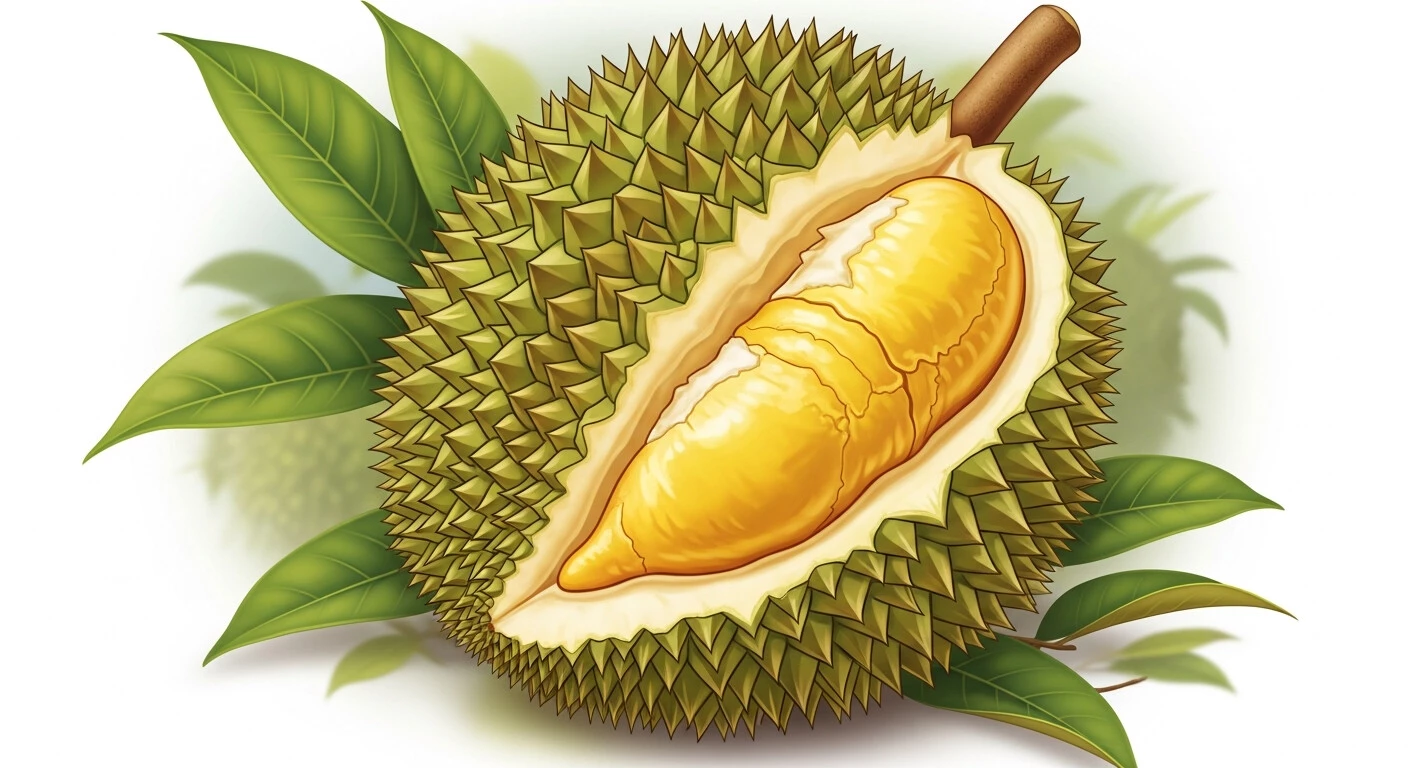
Durian is a tropical fruit known for its large size, spiky outer shell, and strong smell. It’s native to Southeast Asia and often referred to as the “king of fruits.” Here’s a quick breakdown:
Appearance:
Size: Typically the size of a football, can weigh 1–3 kg (2–7 lbs).
Exterior: Covered in thick, hard spikes.
Interior: Contains several large seeds surrounded by creamy, custard-like flesh.
Taste & Smell:
Smell: Extremely pungent — people often describe it as a mix of rotten onions, turpentine, and raw sewage. Because of this, it’s banned in many public places (like hotels and subways) in parts of Asia.
Taste: Polarizing. Some love it for its sweet, rich, almond-like flavor; others find it unbearable.
Culinary Use:
Eaten raw or used in sweet and savory dishes (e.g., durian ice cream, pastries, or curry).
Popular in countries like Malaysia, Thailand, Indonesia, and the Philippines.
Nutritional Facts:
High in calories, carbohydrates, fiber, and healthy fats.
Contains vitamins like vitamin C and B-complex, and minerals like potassium and magnesium.